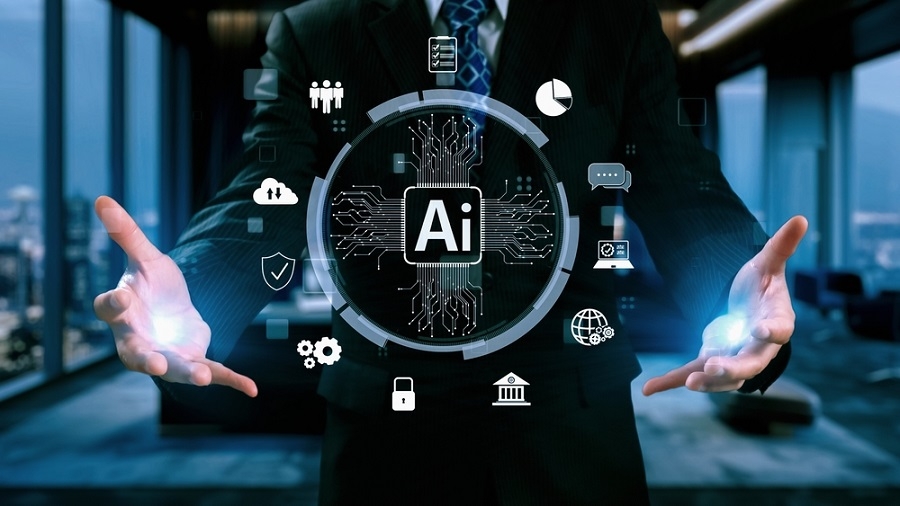
Artificial Intelligence (AI) is no longer a futuristic concept—it’s part of our daily lives. From smart devices to automated banking systems and even factory production lines, AI is everywhere. This rapid growth raises a critical question: Will AI take over your job? In this article, we provide a realistic analysis of AI’s impact on the job market and what it means for your career.
Understanding AI and Its Impact on the Job Market
Understanding AI and Its Impact on the Job Market
Artificial Intelligence refers to machines capable of performing tasks that typically require human intelligence, such as learning, problem-solving, and decision-making. In the job market, AI is increasingly affecting roles that involve repetitive or routine tasks.
According to a McKinsey study, around 30% of work hours globally could be automated with AI and related technologies over the next decade. However, this doesn’t mean all jobs will disappear; rather, the nature of work will undergo a significant transformation.
Jobs Most at Risk of Automation
Certain jobs are more susceptible to automation due to their repetitive and predictable nature. These include:
1. Accounting and Finance Roles
Modern AI tools can process and analyze financial data faster and more accurately than humans, reducing the need for traditional bookkeeping roles.
2. Customer Service
AI-powered chatbots and automated response systems can handle thousands of inquiries daily, minimizing the demand for human customer service agents.
3. Manufacturing and Routine Manual Labor
Factories increasingly use robots for production, making many manual labor roles less essential.
Jobs Less Likely to Be Replaced by AI
Not all jobs are at risk. Roles that require creativity, empathy, and complex decision-making remain challenging for AI to replicate. Examples include:
- Creative Professions: Designers, marketers, content creators.
- Social and Emotional Jobs: Counselors, therapists, personal coaches.
- Leadership and Strategic Decision-Making: AI can suggest options but cannot take ultimate responsibility.
How to Adapt to AI in the Workplace
To stay competitive, workers should focus on developing skills that are hard to automate. Key strategies include:
- Learn Digital and Technical Skills: Data analysis, programming, and AI tool usage.
- Develop Soft Skills: Communication, leadership, and critical thinking are more valuable than ever.
- Embrace Lifelong Learning: The job market is evolving rapidly, so continuous learning is crucial.
AI as an Opportunity, Not Just a Threat
Despite concerns, AI presents significant opportunities. It can increase productivity, improve work quality, and create new job categories such as AI analysis, AI system design, and robot management. Individuals who adapt will find more opportunities than those who resist change.
AI will not eliminate all jobs, but it will transform the job market. Routine roles are most at risk, while creative, strategic, and interpersonal jobs will remain essential. The key is to continuously learn, develop both technical and social skills, and adapt to the digital future.
AI will not eliminate all jobs, but it will transform the job market. Routine roles are most at risk, while creative, strategic, and interpersonal jobs will remain essential. The key is to continuously learn, develop both technical and social skills, and adapt to the digital future.
AI is not just a threat—it’s a tool that, if used wisely, can enhance your career and open doors to new opportunities.